Winter hats and curly hair – why curls lose volume and what can help
· The Handmade Heaven workshop
Guide · Curly hair · Autumn and winter
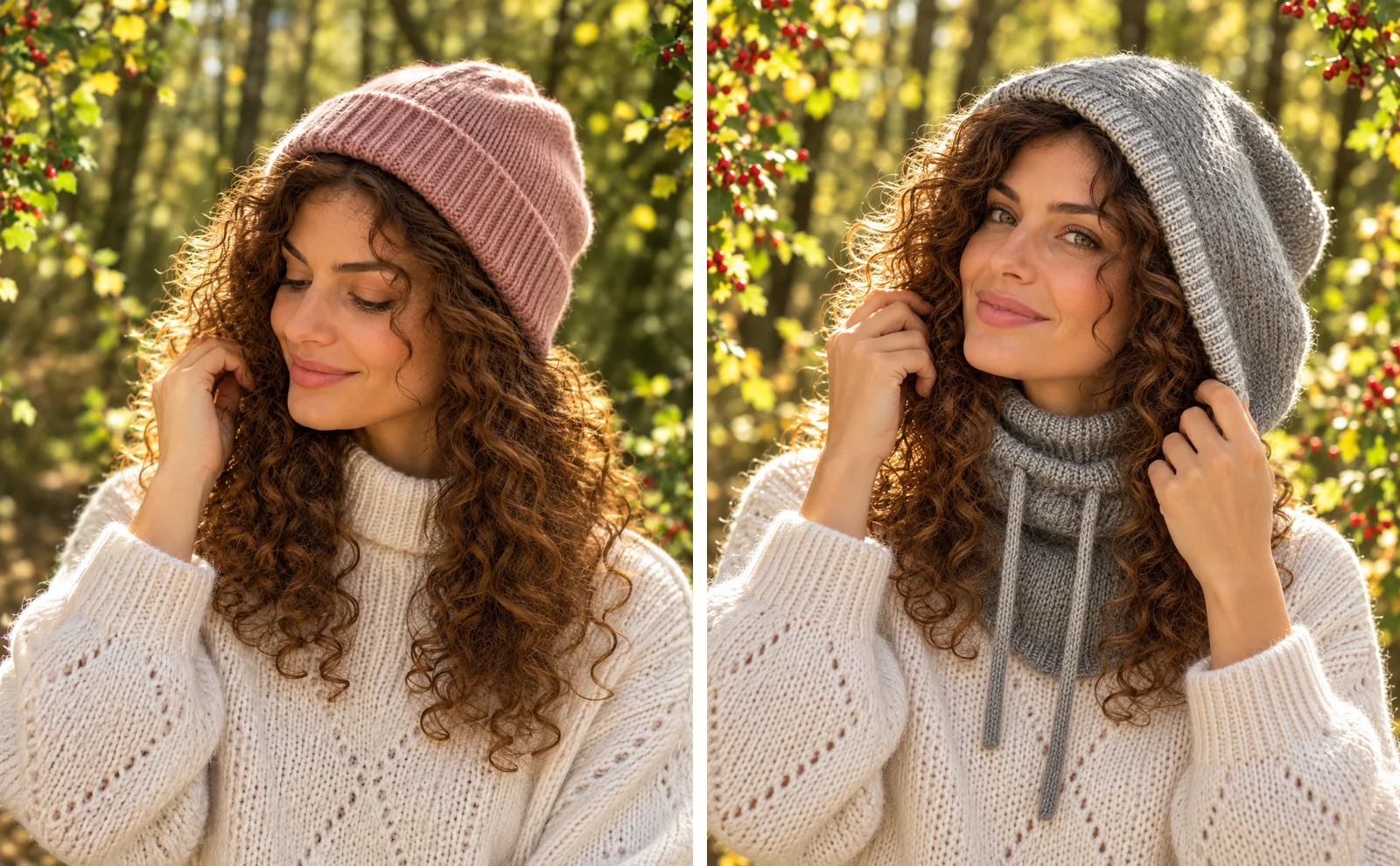
Bouncy curls, soft waves and natural volume – until a few minutes under a winter hat change the shape of your hair. Sound familiar?
For many people with curly or wavy hair, cold weather brings a familiar compromise: warmth or a hairstyle that still looks the way you intended. A close-fitting hat can flatten the roots, reshape curls and contribute to frizz. What matters most is fit, the surface touching your hair and how you wear it, rather than the name of the accessory.
What kind of winter hat suits curly hair? Look for room for your curls, a band that does not press tightly at the roots and a smooth inner surface. A loose hooded cowl can be an alternative to a fitted beanie. It cannot guarantee an unchanged hairstyle, but it can leave more space around it.
Why does curly hair need gentle handling?
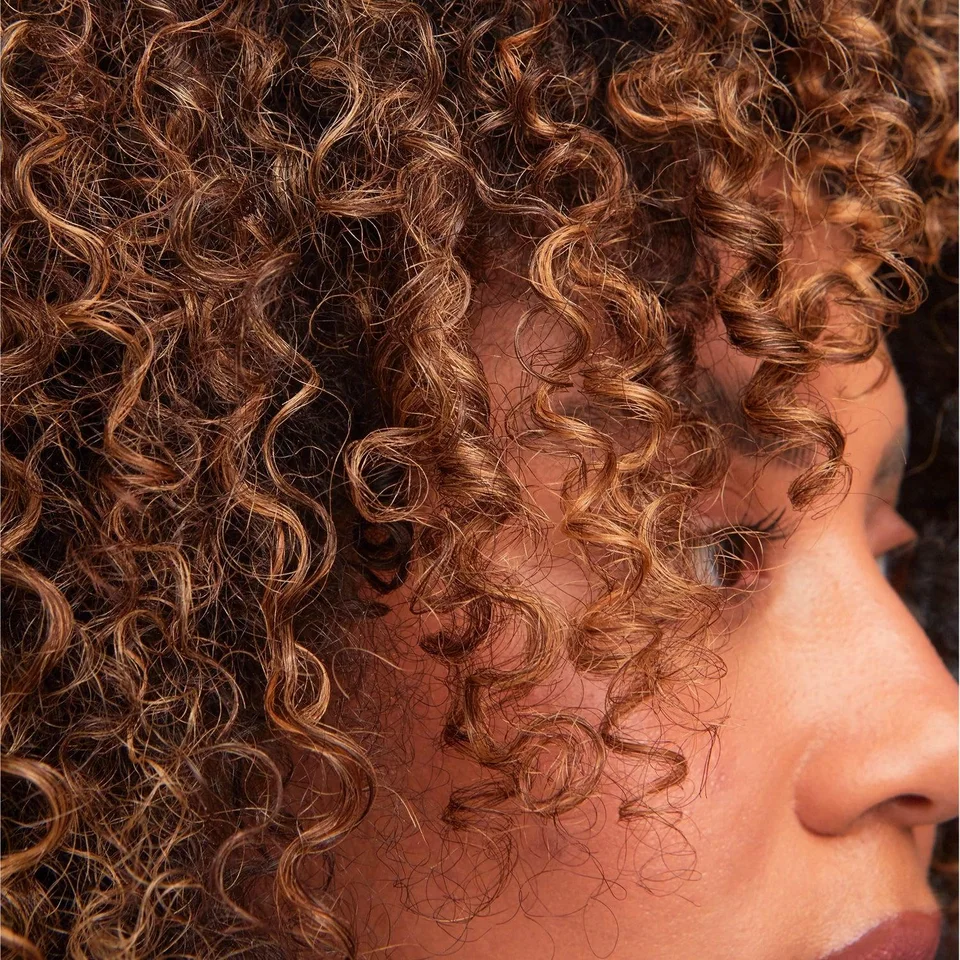
Curly hair bends and falls differently from straight strands. It can be prone to dryness, tangling and damage from rough handling. The American Academy of Dermatology includes reducing friction among its everyday curly-hair care tips.
Hair care therefore goes beyond shampoo, conditioner and styling products. The surfaces your hair touches throughout the day matter too, from a pillowcase to a scarf or winter hat.
What happens to curls under a fitted hat?
1. Volume at the roots can flatten
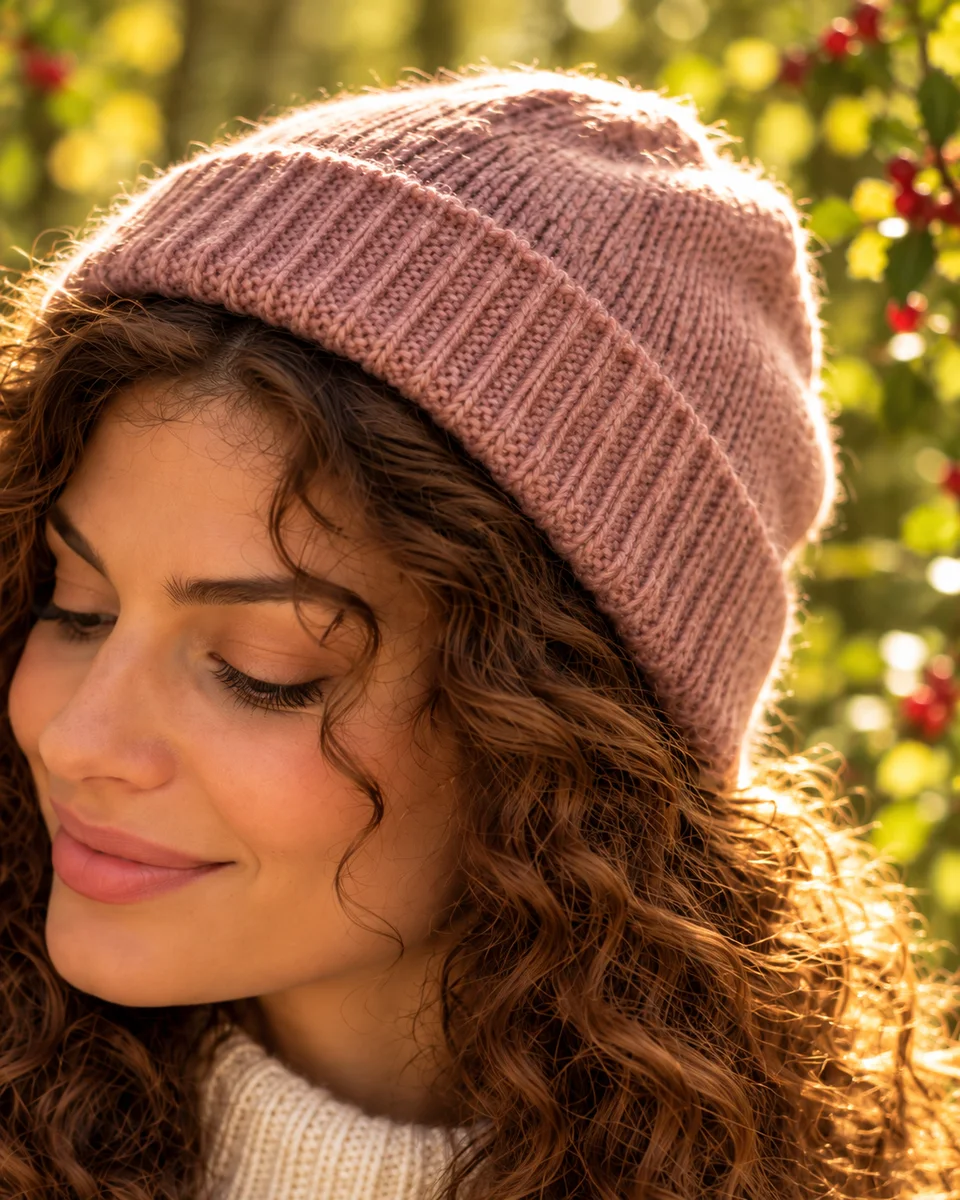
A snug hat presses hair towards the scalp. Once you take it off, your hair may look flatter, especially at the crown. Less space for your hairstyle can make this effect more noticeable.
2. Friction can contribute to frizz
Hair rubs against fabric when you put a hat on, wear it and take it off. That contact may separate styled curls and disturb the arrangement of strands. Avoid tugging when removing headwear, and check for rough seams or finishes inside it.
3. The curl pattern can be temporarily reshaped
Prolonged pressure can change the shape created during styling. Some sections may need refreshing afterwards. Moisture and temperature can also matter, so your hair will not necessarily react in the same way every day.
4. Repeated rough handling can damage hair
Repeated pulling and mechanical stress can contribute to damage. This does not mean that wearing any hat damages curls. It is a reason to avoid unnecessary tugging and rubbing, particularly on fragile strands.
How can you keep curls comfortable in cold weather?
You do not need to give up headwear. Choose a design that gives your hair room and is easy to put on gently.
- Leave room for the hairstyle. Check that the crown and band do not press your curls flat.
- Feel the inside. The knit, seams and any lining are the surfaces that touch your hair.
- Put it on and remove it gently. Open the hat or hood before moving it over styled strands.
- Avoid overheating indoors. Take the hat off or lower the hood when you no longer need protection from the cold.
- Give curls a moment afterwards. Lift the roots gently with your fingers rather than brushing styled curls dry if that increases frizz.
A different style of headwear may also be worth trying.
A loose hooded cowl as an alternative to a beanie
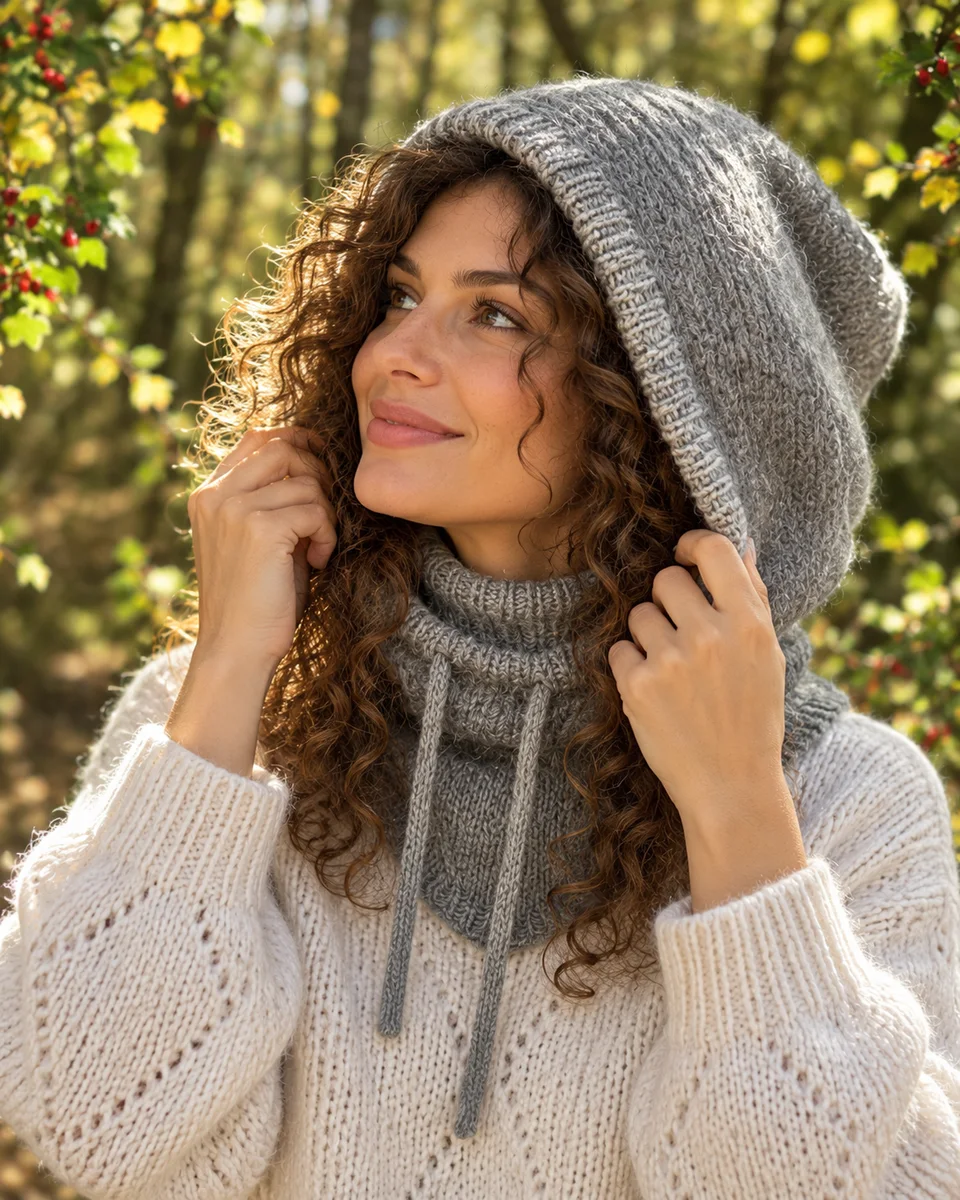
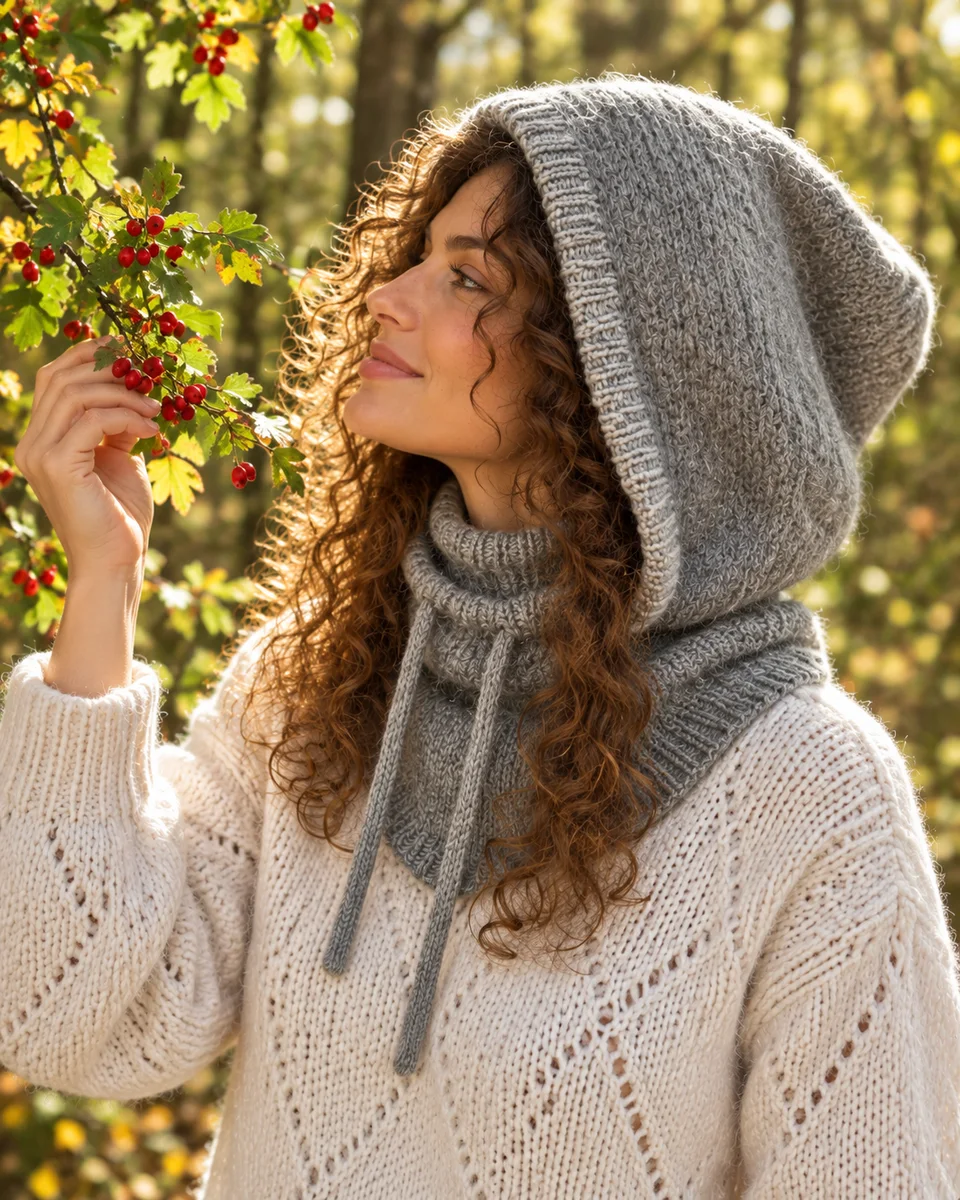
A hooded cowl combines a hood with a neck warmer. Although often called a balaclava, our design differs from a tightly fitted version.
It has a roomy hood that falls loosely around the head, joined to a warm cowl around the neck. This can leave more space above the crown while keeping the neck covered.
Why consider a hooded cowl?
- Less pressure on curls: a sufficiently loose hood may reduce flattening at the roots.
- More freedom: strands do not have to be pressed tightly against the scalp.
- Easy removal: lower the hood gently while leaving the neck warmer in place.
- Coverage in cold weather: one accessory covers the head, ears and neck.
- Versatility: a loose fit can suit curls, waves and straight hair alike.
Not every hooded cowl behaves in the same way. A tight design can still flatten hair. Size, knit structure and the way it sits on your head all matter.
Beanie or hooded cowl? A practical comparison
| What to consider | Fitted beanie | Loose hooded cowl |
|---|---|---|
| Space for curls | Depends on the design; a snug crown can press hair down | A roomy hood can leave more space |
| Contact with hair | The band and inner surface touch the strands | Contact still occurs; texture and finishing matter |
| Taking it off | The hat moves over the hairstyle | The hood can be lowered |
| Neck coverage | Usually needs a separate scarf or cowl | A neck warmer is part of the design |
| Keeping volume | Depends on pressure, hair and wear time | Extra room may help; results are not guaranteed |
Alpaca and silk: softness and comfort
Material matters as well as fit. In the model shown, the hood is knitted from 77% alpaca and 23% silk, while the cowl is 100% alpaca. Alpaca is valued for softness and warmth; silk contributes to the gentle feel of this particular yarn.
For a merino neck warmer or another material combination, ask us about a custom version. Always check the composition and colours of the configuration you choose.
Silk in a yarn blend is not the same as a silk lining. Our hood is knitted alpaca-and-silk fabric, not a smooth silk lining. Silk content alone does not guarantee that hair will not rub, frizz or change shape. Fit and fabric surface remain important.
Our knitwear care guide explains how to look after a handmade accessory.
Hand-knitted warmth with room for your hairstyle
We knit our hooded cowls by hand, with attention to comfort, appearance and detail. The loose hood offers an alternative to a conventional winter beanie, while the cowl stays around your neck when the hood is lowered.
If you have a lot of hair, tell us before ordering so that we can discuss the fit. Whether your hair forms defined curls, gentle waves or simply needs more space, a hooded cowl is an option worth considering.
Winter comfort can include both warmth and room for your hair.
Explore our hand-knitted hooded cowl and available colours →
Frequently asked questions about hats for curly hair
Which hat will not flatten curls?
No design guarantees this. Look for space around your hairstyle and a band that does not press tightly at the roots. Check the inner surface and how your hair looks after wearing it.
Is a hooded cowl suitable for curly hair?
A loose hooded cowl can be comfortable because it leaves more room for curls. A tight balaclava may press hair down just like a snug hat: the actual cut matters more than the name.
Do alpaca and silk prevent frizz?
That cannot be promised from composition alone. A soft knit can feel comfortable, but friction also depends on texture, fit and handling. Silk in a blend does not replace a silk lining.
How can I refresh flattened curls after taking off a hat?
Give strands a moment, lift the roots gently with your fingers and refresh individual curls with a method you already know works for your hair. Avoid vigorous rubbing and dry brushing if these disrupt your curl pattern.